
Neck, Shoulder and Lower Back Pain from Sitting Too Long: Causes and How to Fix It

A stiff neck, tense shoulders and lower back pain in office workers usually come from hours of static posture, not from serious damage to the spine. For most people these complaints improve with more frequent movement, a well set-up workstation and regular exercise. If the pain lasts more than a few weeks or comes with red flag symptoms, it should be checked by a doctor or physiotherapist.
Why sitting all day causes neck stiffness and lower back pain
According to the WHO, low back pain is the leading cause of disability worldwide, and most cases are non-specific, meaning no particular disease or structural damage can be identified as the cause. In office workers the mechanism is fairly clear: the body stays in one position for too long.
Most common causes
- Forward head posture. When you look down at a laptop that sits too low, the head drifts forward and the muscles at the back of the neck and upper shoulders work constantly to hold it up. This is a common source of a stiff neck at a desk job.
- Slouching without back support. The lower back loses its natural curve, so the muscles and joints around the waist carry a static load all day.
- Raised shoulders. A desk that is too high or armrests that do not fit make you lift your shoulders without noticing.
- Too little movement. The NHS notes that sitting too long slows the metabolism and is linked to a range of health problems. Muscles that are rarely used become stiff and tire more easily.
- Stress and poor sleep. Mental tension often adds to muscle tension in the neck and shoulders.
Who is most at risk
The risk is higher in people who spend long hours in front of a screen, work from a laptop without a separate monitor, often work from the sofa or bed, rarely exercise, or spend a long time commuting. The WHO recommends that adults do 150 to 300 minutes of moderate-intensity physical activity per week and limit sitting time, because physical inactivity is itself a health risk factor.
When to see someone about back and neck pain
Pain from prolonged sitting usually improves within a few days to a few weeks. The NHS advises getting checked if the pain does not improve after a few weeks of self-care, interferes with daily activities or sleep, or you are worried about it. At this stage physiotherapy can help identify the pattern behind it.
Red flags that need a doctor urgently
- Numbness around the genitals or buttocks, difficulty passing urine, or being unable to control your bladder or bowels.
- Increasing weakness in the arms or legs, or difficulty walking.
- Pain with fever, unexplained weight loss, or a history of cancer.
- Pain after a fall or a serious injury.
- Chest pain, shortness of breath, or neck pain with a severe headache and a stiff neck that is hard to bend.
- Severe pain that keeps getting worse and does not ease when lying down.
If you have any of the signs above, contact a doctor or the emergency department before starting any exercise.
How to relieve lower back pain and a stiff neck at work
1. Set up your workstation
| Area | Recommended setup |
|---|---|
| Monitor | Top edge of the screen roughly at eye level, about an arm's length away. For a laptop, use a stand and a separate keyboard. |
| Chair | Lower back supported; add a small cushion at the waist if needed. |
| Feet | Flat on the floor or a footrest, knees roughly level with the hips. |
| Arms | Elbows close to the body at about 90 degrees, shoulders relaxed, wrists straight. |
| Phone | Hold the phone at eye level and do not wedge it between your ear and shoulder. |
2. Move every 30 to 60 minutes
The best posture is your next posture. Standing up, walking to the water dispenser or taking calls standing already breaks the static load. The NHS also recommends staying active when your back hurts, because complete bed rest tends to slow recovery.
3. Simple desk exercises for neck and back pain
- Chin tuck. Sit upright, draw your chin straight back as if making a double chin, hold for 5 seconds. Repeat 8 to 10 times.
- Side neck stretch. Tilt your ear towards your shoulder, hold for 20 to 30 seconds on each side, without jerking.
- Shoulder rolls. Roll your shoulders back 10 times, then squeeze your shoulder blades together and hold for 5 seconds.
- Standing back extension. Stand, place your hands on your hips, lean back slowly, hold for 2 to 3 seconds, repeat 5 times.
- Seated twist. Slowly turn your upper body to one side while holding the backrest, hold for 15 seconds on each side.
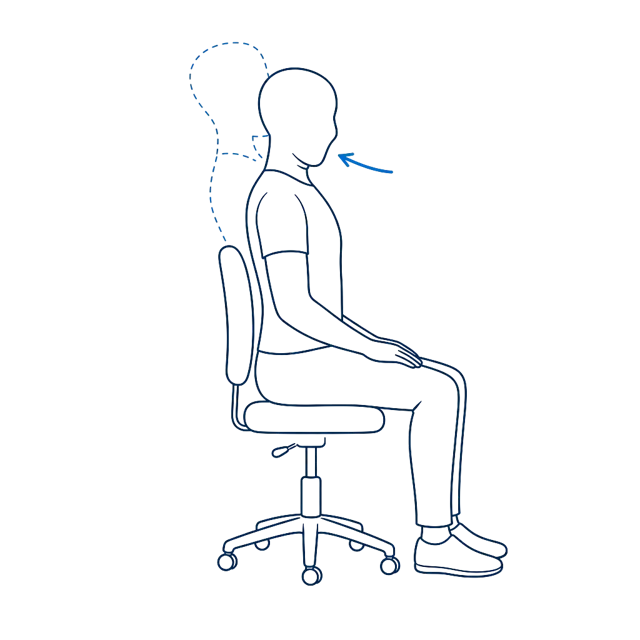
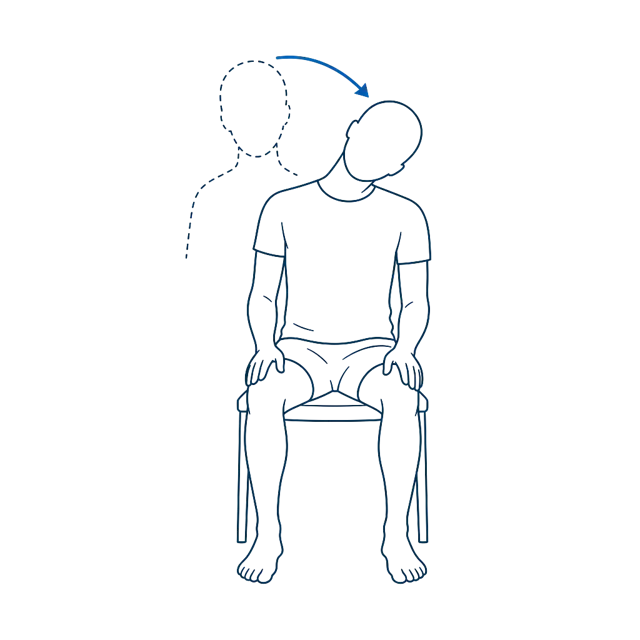
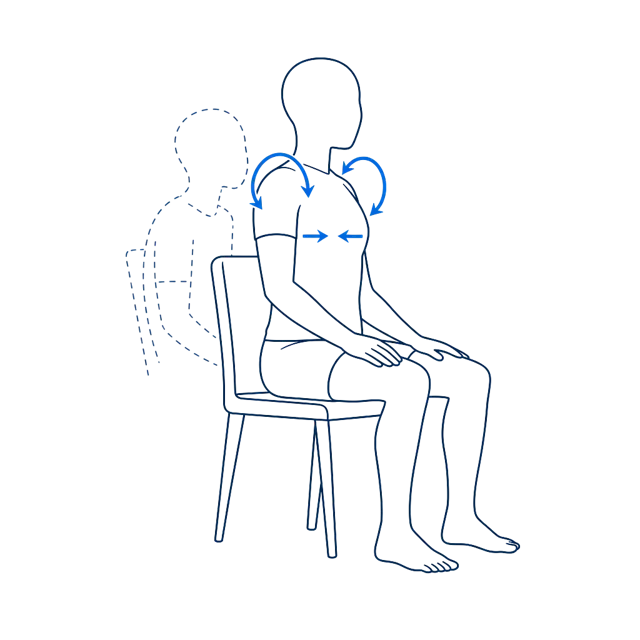
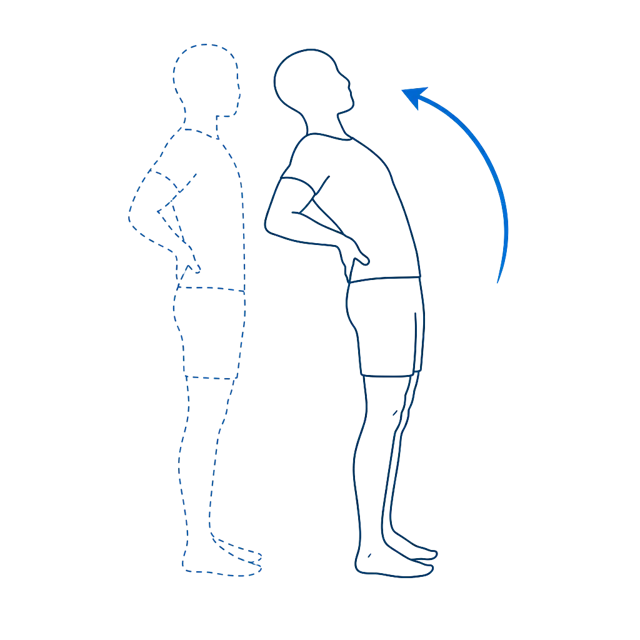
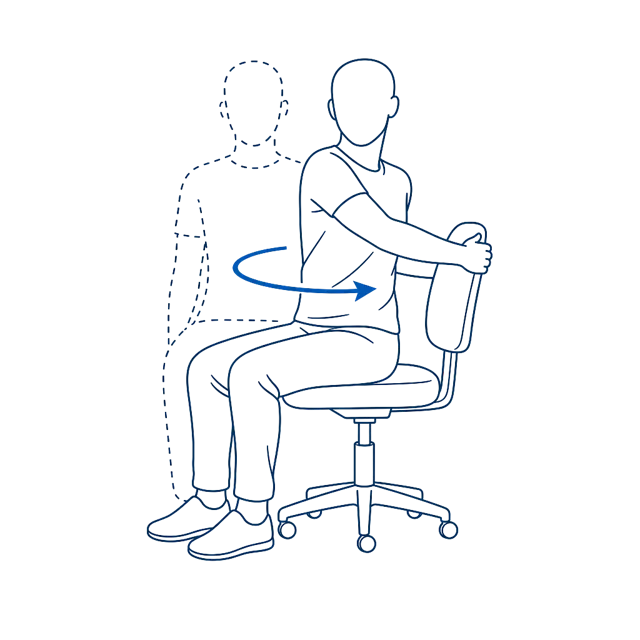
The exercises should feel like a gentle stretch, not sharp pain. If pain spreads into your arm or leg during exercise, stop and get advice.
4. Care at home
A warm compress can help relax tense muscles. Regular walking, a sport you enjoy, and strengthening exercises for the core and upper back help your body cope better with long hours of sitting. Over-the-counter painkillers should be used according to the label or a pharmacist's advice.
5. What physiotherapy adds
When self-care is not enough, a physiotherapist helps find out what is actually overloading your body and builds a treatment plan to match:
- Assessment. Checking posture, neck and back movement, muscle strength and work habits to understand the source of pain and screen for signs that need referral to a doctor.
- Manual therapy. Joint mobilisation and soft tissue techniques to reduce stiffness and improve movement.
- Supporting modalities. Ultrasound, TENS or infrared may be used to help ease pain and tension, as a complement to exercise.
- Exercise therapy. Tailored strengthening and mobility exercises, which are the core of treatment for low back and neck pain.
- Ergonomic advice. Realistic adjustments to your workstation and daily routine that fit your office schedule.
Everyone responds differently, so the treatment plan is decided after the assessment, not before.
Frequently asked questions
Is lower back pain from sitting too long dangerous?
Usually not. Most cases are non-specific pain that improves with movement and exercise. Watch for red flags such as numbness around the buttocks, bladder or bowel problems, or leg weakness.
Is heat or ice better for a stiff neck?
For muscle stiffness caused by posture, a warm compress usually feels more comfortable. Cold packs are more often used for fresh injuries. Choose whichever gives you the most relief.
Does a standing desk solve the problem?
A standing desk helps you vary your position, but standing all day also loads the body. The key is to alternate between sitting, standing and moving.
When should I see a physiotherapist?
When the pain has not improved after a few weeks, keeps coming back, interferes with work or sleep, or you want a structured exercise programme.
Can I see a physiotherapist without a doctor's referral?
You can come in for an assessment. If signs are found that need a medical examination, the physiotherapist will advise you to see a doctor first.
Physiotherapy at Bisa Gerak
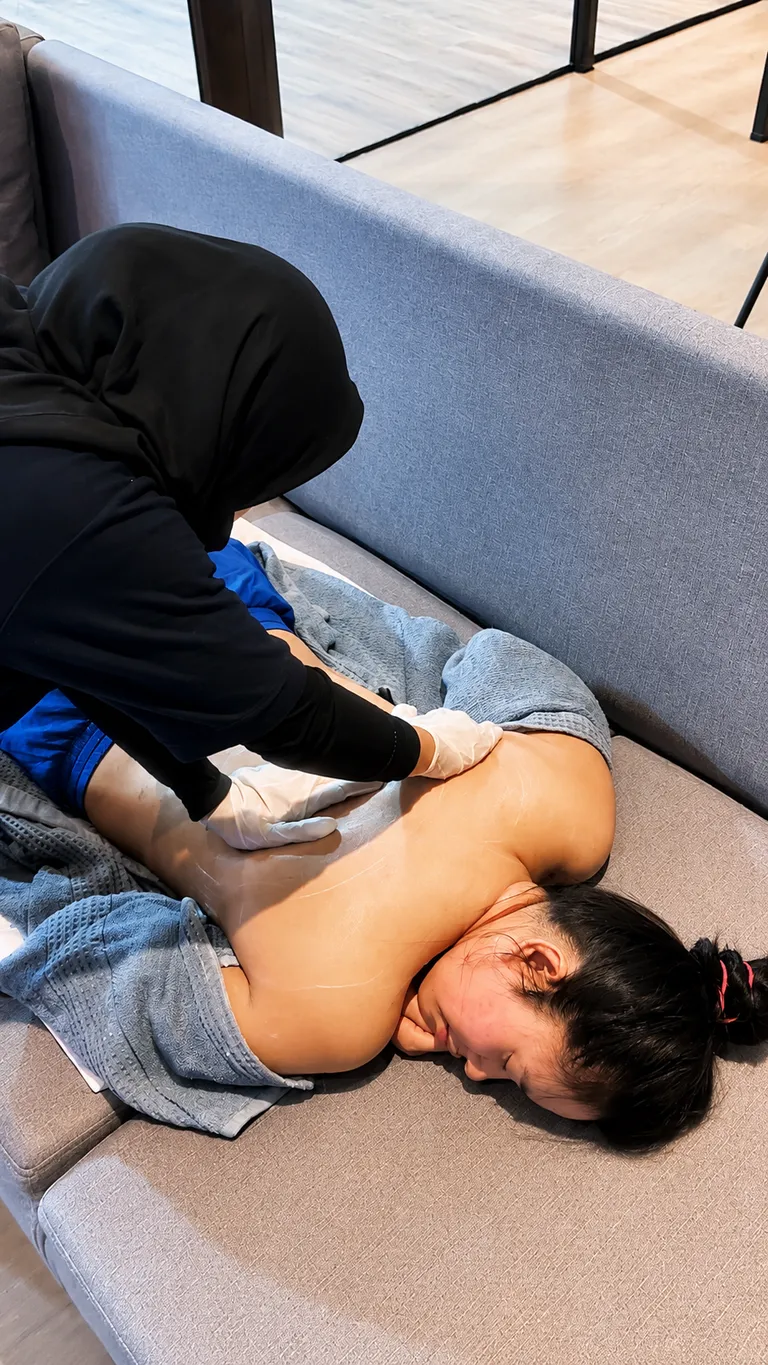
Bisa Gerak helps office workers with neck, shoulder and lower back pain. At the first visit, the physiotherapist carries out an assessment, explains the cause of your symptoms in plain language, provides treatment and sets up a home exercise programme you can do between working hours.
Prices
- First physiotherapy visit: Rp 350,000, including the initial assessment.
- Follow-up visits: Rp 450,000.
- Packages: 3 sessions Rp 1,200,000, 6 sessions Rp 2,000,000, 12 sessions Rp 3,500,000.
- Recovery massage: from Rp 250,000.
- Homecare: Rp 650,000 per session, including transport.
Locations
- La Padel Puri Indah, Jl. Outer Ring Road No. 4, Rawa Buaya, Cengkareng, Jakarta Barat. Open daily 10.00–22.00, so it is easy to visit after office hours.
- TAP Club Gading Serpong, Jl. Symphonia Blvd, Melody Barat GF-G1, Tangerang. Open daily 10.00–18.00.
- Sunter.
To choose the most convenient location and time, book an appointment via WhatsApp.
Sources
What patients say
Saya sudah melakukan 3 kali treatment dan sangat merasakan manfaatnya. Nyeri yang sebelumnya cukup mengganggu aktivitas sehari-hari kini sudah jauh berkurang.
Udah berkali-kali fisio di sini dan selalu oke setiap sesi. Therapist-nya juga sangat informatif buat ngajarin pemulihan dan strength training di rumah.
Bisa Gerak locations
La Padel Puri Indah
Jl. Outer Ring Road No. 4, Rawa Buaya, Cengkareng, Jakarta Barat 11740
Daily 10:00 to 22:00
DirectionsTAP Club Gading Serpong
Jl. Symphonia Blvd, Melody Barat, Lantai Dasar GF-G1, Tangerang 15336
Daily 10:00 to 18:00
DirectionsAlso in Sunter, Jakarta Utara, and homecare at your home.
More articles

This article is for education and does not replace an examination by a doctor or physiotherapist.